
What It Is Like To Live In Tottenville
June 25, 2026
June 25, 2026
If you want more space, more shoreline, and a quieter pace without leaving New York City, Tottenville is one of the first places worth exploring. This neighborhood feels different from much of the city, and that difference matters when you are choosing where to live. In this guide, you’ll get a clear look at Tottenville’s atmosphere, housing, parks, commute options, and everyday lifestyle so you can decide whether it fits your goals. Let’s dive in.
Tottenville sits at the southwestern tip of Staten Island. It is the southernmost point in both New York City and New York State, which gives it a distinct edge-of-the-city identity.
City descriptions often describe Tottenville as a small coastal town with a village-like feel. That shows up in daily life through its quieter setting, lower-rise streetscape, and strong connection to the waterfront.
If you are picturing a dense, fast-moving New York neighborhood, Tottenville is not that. The area is widely described as quiet, with open green land and a more relaxed rhythm than many other parts of the city.
That quieter character is one of Tottenville’s main draws. For many buyers, the appeal is simple: you get a setting that feels more removed from the city core while still remaining within New York City.
Tottenville’s location shapes its personality. Being surrounded by shoreline and set apart from denser neighborhoods gives it a coastal feel that residents often value.
It also has a long-standing local identity. Historic city reports point to a village-like atmosphere, and that sense of place still carries through in the neighborhood’s streets, homes, and parks.
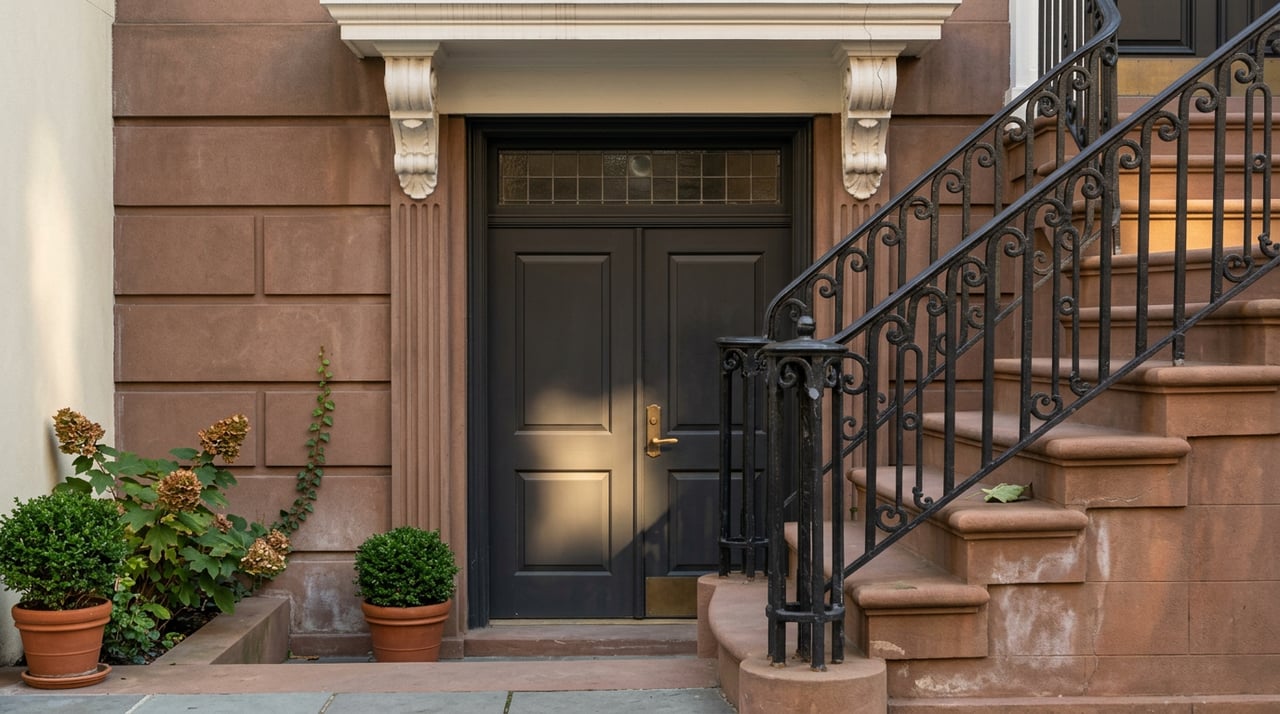
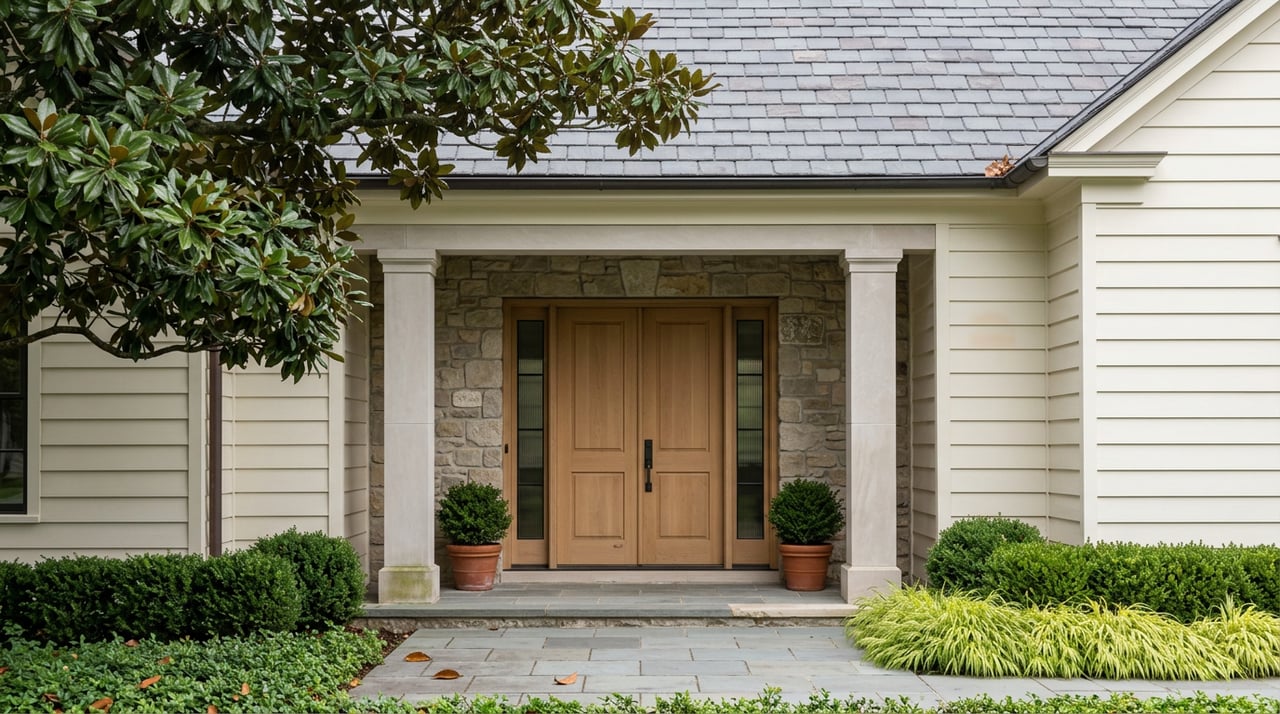
One of the biggest differences you’ll notice in Tottenville is the housing mix. Instead of an apartment-heavy environment, you’ll find a lower-rise, yard-oriented setting shaped by detached homes, older houses, and newer residential development.
The housing stock includes colonial and Victorian homes, newer ranches, split-levels, and townhouse developments. That variety gives buyers a broader range of home styles than they may expect in a New York City neighborhood.
Tottenville has deep architectural roots. Historic reports identify clapboard cottages, frame residences, and even a stone manor house, along with examples of Greek Revival, Gothic Revival, and Second Empire styles.
For you as a buyer, that means the neighborhood can feel visually layered rather than uniform. Some blocks reflect older Staten Island history, while others show newer residential patterns.
Because of the housing mix, Tottenville often reads as more suburban than urban. The streetscape is generally lower-rise, and the overall environment feels more focused on homes and open space than on dense mixed-use corridors.
That can be especially appealing if you are looking for a New York City address with a calmer residential setting. It is part of what makes Tottenville stand out in the Staten Island market.
Outdoor access is a major part of life in Tottenville. The signature destination is Conference House Park, a 267-acre park on the shore of Raritan Bay at the southernmost point in New York State.
The park includes expanded paths, hiking and biking trails, a playground, a renovated visitor center, a bay-side pavilion, and the South Pole marker. The landscape is especially varied, with wooded areas, coastal meadow, wetlands, upland forest, dunes, and beach.
If you value outdoor space, Conference House Park is more than a scenic backdrop. It supports everyday use, whether that means walking, biking, enjoying shoreline views, or spending time in a more natural setting.
For many residents, this kind of access is a real lifestyle advantage. It adds room to breathe and gives the neighborhood a stronger connection to nature than you may find in more central parts of the city.
Tottenville’s waterfront is not just scenic. It is also historically significant.
Conference House Park contains four historic buildings: the Conference House, Biddle House, Ward House, and Rutan-Beckett House. The grounds also include historically important Indigenous land, including the Aakawaxung Munahanung archaeological site recognized by the city’s Landmarks Preservation Commission.
That gives the neighborhood a sense of depth that goes beyond views and open space. The shoreline here feels layered with both local history and civic importance.
Tottenville’s daily rhythm centers on a few practical community anchors. The Tottenville Library is one of them, serving as the oldest and southernmost branch on Staten Island and offering Wi-Fi, public computers, and programs.
Other neighborhood anchors include Tottenville High School and the 123rd Precinct. Together, these places help shape the neighborhood’s civic identity and everyday convenience.
Amboy Road and Main Street are closely tied to Tottenville’s older identity. Historic preservation materials show that early neighborhood growth clustered around these streets.
Today, Amboy Road also remains an important arterial connection. It links parts of Staten Island to the Arthur Kill waterfront and Tottenville, helping organize local movement and access.
Tottenville is workable for commuting, but it is not a subway-centric neighborhood. If you live here, you should expect a location that feels farther from the city core, both physically and in terms of transit.
That is not necessarily a drawback. For many buyers, it is simply part of the tradeoff for more space, more shoreline, and a quieter setting.
The Staten Island Railway runs 24 hours a day between Tottenville and St. George. From St. George, riders can connect to the Staten Island Ferry.
Express bus options tied to Tottenville include the SIM2, SIM25, and SIM26 to Manhattan, along with the S59 local route. Conference House Park is also reachable by bus, including the S59 and S78.
If you drive regularly, Tottenville’s connection to New Jersey is a meaningful advantage. The Outerbridge Crossing links Staten Island and Perth Amboy, and on the New York side it connects to the West Shore Expressway and Staten Island Expressway.
For buyers who commute toward New Jersey or want easier regional access by car, this road connection can be an important part of the neighborhood’s appeal.
Living near the water can be a lifestyle benefit, but it also comes with infrastructure considerations. In Tottenville, flood management is part of the neighborhood story.
The city’s Bluebelt work in the area converted marshland into the Mill Creek Bluebelt to improve drainage, reduce flooding, and filter stormwater before it reaches the Arthur Kill. For you as a buyer, this is a useful reminder that waterfront living includes both beauty and planning.
Tottenville can be a strong fit if you want a quieter residential environment, a wider range of single-family home styles, and real access to shoreline and parkland. It may also appeal to buyers who want New York City ownership with a more removed, low-rise feel.
It can be especially compelling if you spend a lot of time driving, value outdoor space, or want a setting that feels less crowded than many other city neighborhoods. The key is understanding the balance between lifestyle benefits and distance from the city core.
Tottenville offers something increasingly rare in New York City: a quiet coastal setting with historic character, substantial parkland, and a more spacious residential feel. It stands out for its village-like identity, varied housing stock, and connection to the waterfront.
If you are looking for a Staten Island neighborhood where lifestyle, setting, and space matter as much as access, Tottenville deserves a closer look. If you want thoughtful guidance as you explore Staten Island neighborhoods or evaluate a move, connect with Jillian Abbadessa for strategic, personalized support.
Stay up to date on the latest real estate trends.


Experience a higher level of service defined by data-driven strategy, global reach, and personalized guidance.